22/10/2026 16:53
Surface Bolt or Recessed Latch? YouTube Info Cards for Cambodian Hardware Shops
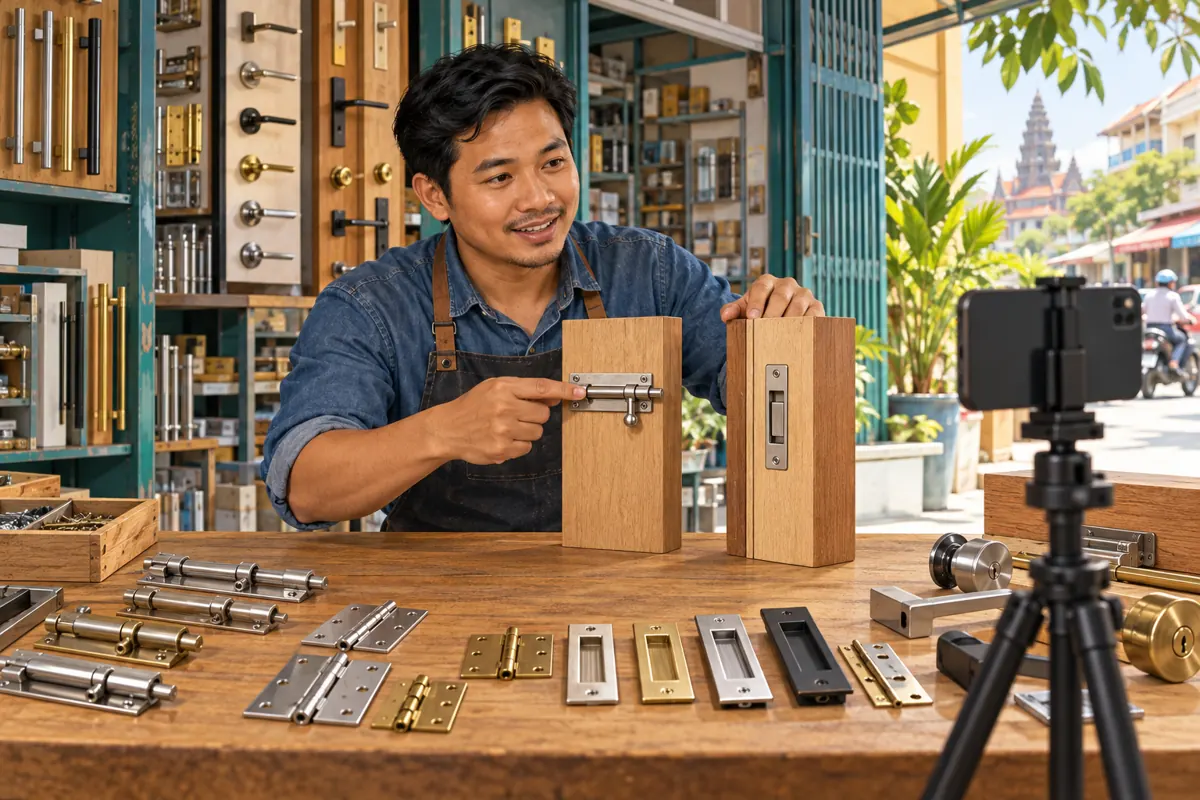
A door-hardware demonstration can attract the right question before the video finishes. Someone watching a comparison may recognise a surface-mounted bolt and want its measuring guide immediately. Another viewer may need help identifying a recessed latch. A carefully chosen YouTube info card can offer a relevant route at that moment. For a Cambodian shop promoting practical product knowledge, the task is to connect a specific question with a useful explanation. This workflow covers planning, setup and review, including what an SMM-panel service listing can—and cannot—tell you about whether viewers found the help they needed.
1. Identify the question that deserves a separate guide
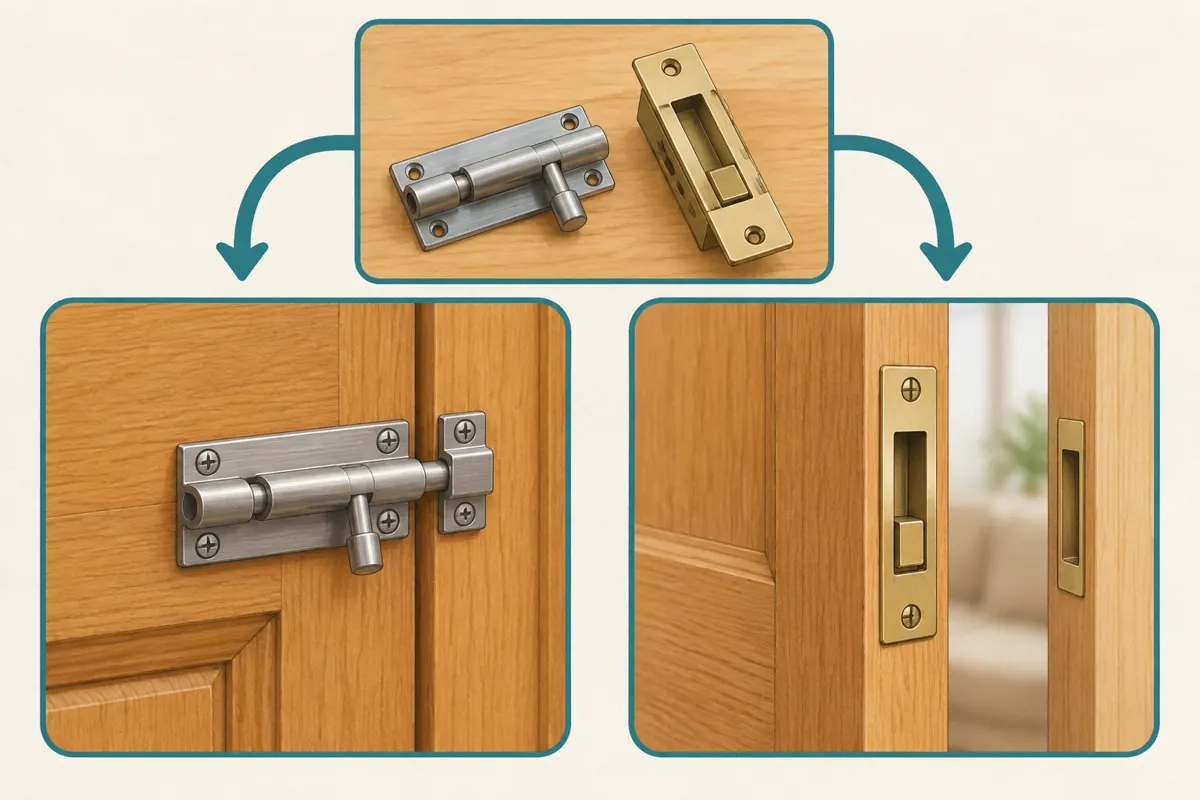
Start with a question your comparison video cannot answer fully without losing its focus. In a hypothetical Phnom Penh hardware shop, staff repeatedly receive photographs of door fittings accompanied by a vague request for the same item. The shop prepares a comparison showing a sliding bolt mounted on the door face and a latch recessed into the door edge. Its immediate purpose is recognition. Detailed measuring instructions belong in separate videos because the two products require different information.
Write the viewer's next question in ordinary language: “What should I photograph and measure before asking about this fitting?” That becomes the reason for a card. Avoid adding a destination simply because it is your newest upload. If the comparison already answers the question completely, an extra route may interrupt a useful explanation. Choose a card only when the destination adds something specific that the current viewer is likely to need.
2. Prepare a destination that keeps the promise
Review the proposed guide from its opening frame. It should identify the fitting clearly, distinguish the sample from similar products and explain what information the shop needs for an enquiry. A guide that spends its opening on unrelated promotions makes a poor destination for someone who clicked to understand a door fitting. Keep the essential explanation near the beginning and state when the demonstration applies only to the sample shown.
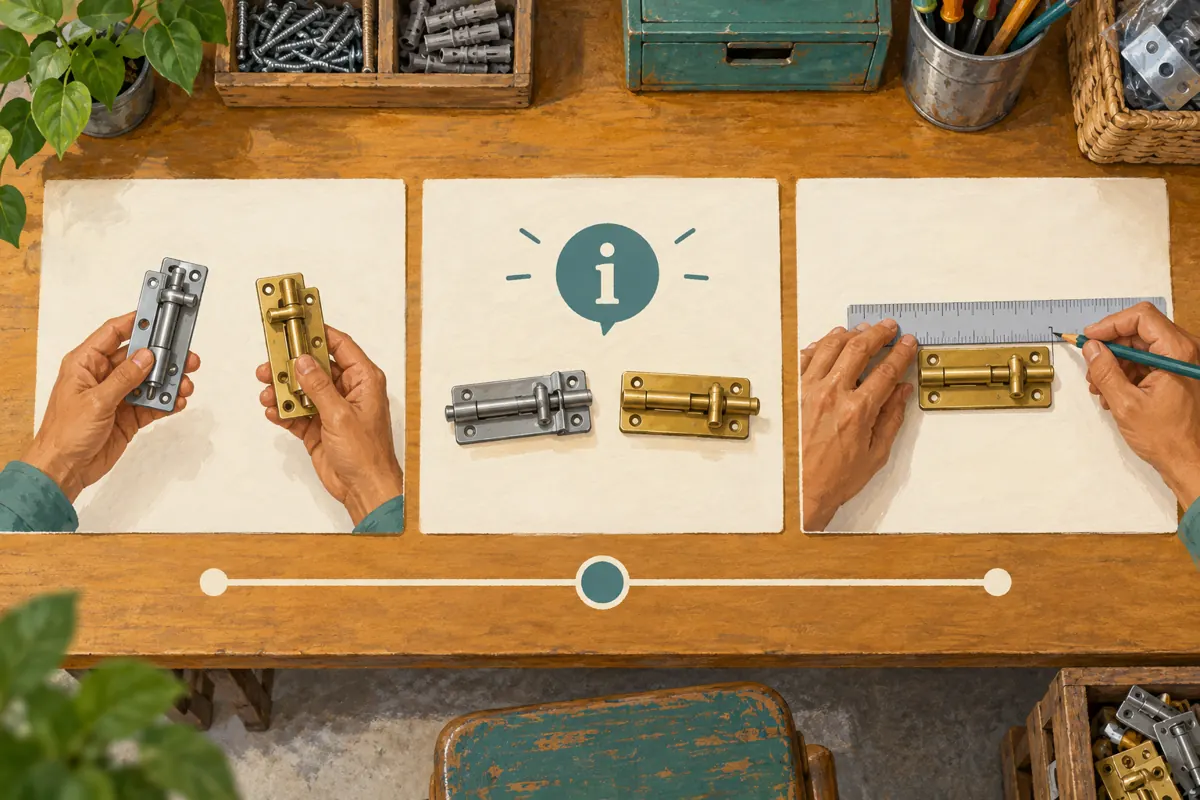
For the hypothetical shop, prepare one guide for identifying a surface-mounted bolt and another for documenting an existing recessed latch. Show useful photo angles and explain measurement units without claiming that appearance alone proves compatibility. Use product identifiers consistently across the comparison, guide and staff reference notes. A buyer in Battambang should not need to visit the Phnom Penh counter merely to discover that two similar-looking samples have different names in the shop's videos.
3. Choose one useful route before adding more
Sketch a simple route on paper: the question raised in the comparison, the destination that answers it and the point where that question becomes understandable. Begin with the strongest connection. If viewers cannot yet distinguish the two fittings, sending them into a large collection of demonstrations gives them another sorting task. A specific guide is usually easier to evaluate because you can state exactly what it contributes.
A broader collection makes sense when the viewer needs a sequence, such as identification followed by measurement and care. Review every included item before making that choice. Do not send someone to a collection containing obsolete demonstrations or unrelated products merely to keep them watching. The editorial decision should remain explainable in one sentence: this destination helps this viewer complete this next task. If that sentence becomes vague, reconsider the route.
4. Set up the card using YouTube's documented controls
YouTube Help documents this desktop path: open YouTube Studio, select Content, choose the video, open Editor and select Info cards. Choose the card type, set its start time, add suitable optional message or teaser text, and save. Video and playlist cards link to public YouTube destinations. YouTube permits up to five cards in a video, but that limit is not an editorial target.
Cards are unavailable on videos set as made for kids. External website link cards require participation in the YouTube Partner Program. For this workflow, a public instructional video is the straightforward destination. Check the actual controls available in your account before building a campaign around a feature. Record the source video's address, destination address and chosen time in a small working note so a colleague can review the configuration without guessing.
5. Place the cue after recognition, before distraction
Watch the comparison without editing it. Mark where a viewer has enough information to recognise the relevant fitting. Place your proposed cue near that transition, after the explanation has established the difference. Avoid competing with a close-up measurement, a quick hand movement or an important qualification. The viewer should have time to understand the current image before being offered another task.
In the hypothetical demonstration, the presenter first shows both fittings, then explains where each sits on the door. A short pause follows before discussing what information to send the shop. That pause is a reasonable candidate for the card. It is an editorial hypothesis, not a proven best time. If the source video is later shortened or rearranged, review the cue against the new sequence; a saved timestamp does not explain whether the surrounding moment still makes sense.
6. Write a cue that accurately names the help
Use concrete wording such as “Surface-bolt measuring guide” instead of a vague promise like “You need this.” The cue should tell viewers what they will find and should agree with the destination's title and opening. Do not label an identification guide as a complete installation lesson. Likewise, a video showing one sample should not promise to identify every fitting used in Cambodian homes and shops.
For a Khmer-speaking audience, have a fluent colleague review the proposed viewer-facing wording alongside the actual footage. Keep genuine model codes unchanged and explain unfamiliar product terms visually. Staff may use an English packaging term at the counter while customers describe the same item by its shape. Choose language that connects those descriptions. Read the cue aloud with the surrounding narration: if both demand attention at once, shorten the wording or move the cue to a calmer moment.
7. Test the entire journey with another viewer
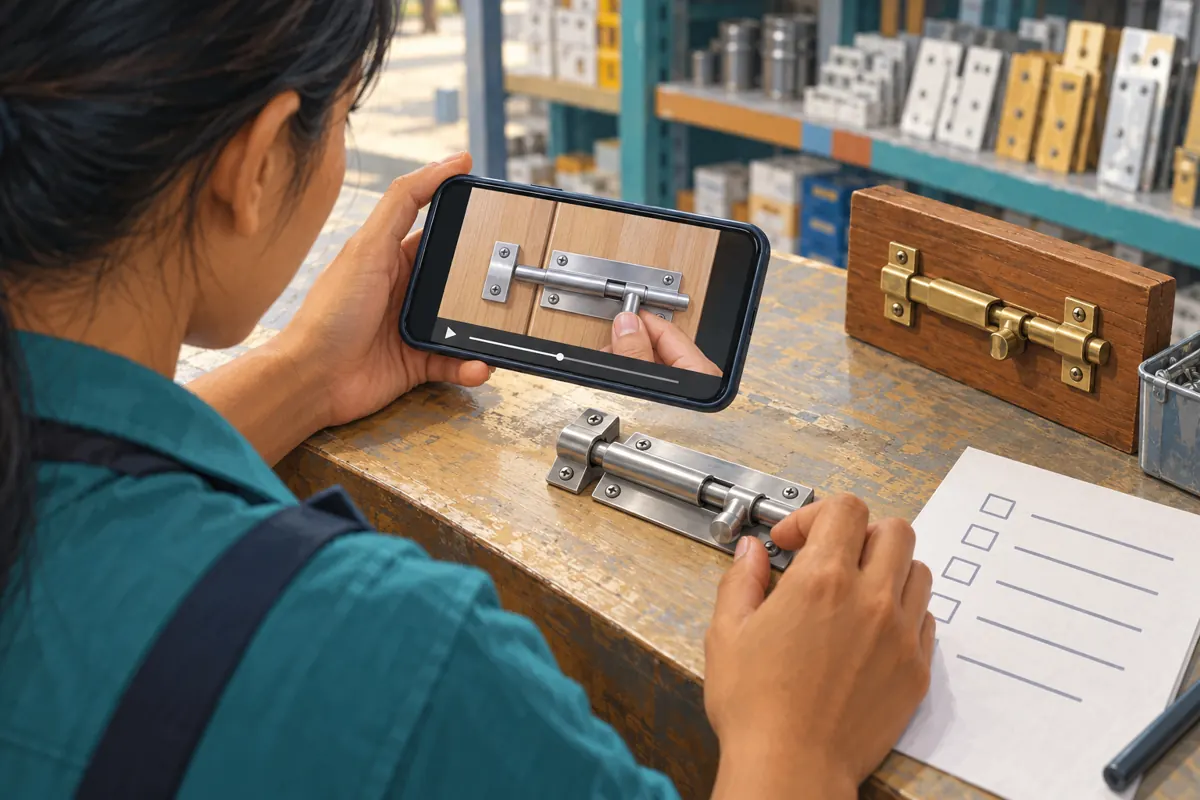
Ask a colleague who did not configure the card to review the published viewing experience. Give them a task rather than directions: find the guide that explains what to send when asking about the surface bolt. Observe whether they recognise the cue, reach the intended video and understand its opening. Test on the devices your team expects customers to use, and record what actually appears instead of assuming every viewing context behaves identically.
Check the destination separately from the source video's editing screen. Confirm that the guide is public, the correct version opens and its sample matches the cue. Keep a clearly named reference to the guide in your supporting video information so the card is not the only explanation of what to watch next. YouTube also documents circumstances involving a Content ID owner's campaign in which cards do not show. Investigate missing cards before treating them as a content failure.
8. Apply a policy and evidence check to SMM-panel use
The supplied santrix-smm.com catalogue includes “YouTube Like ~ Max 50k ~ 50k/days ~ Instant ~ 𝐍𝐎 𝗥𝗘𝗙𝗜𝗟𝗟”. Its name identifies a likes offering, but the brief supplies no description. The quantity, timing and refill wording are catalogue claims, not independently verified delivery facts. They establish nothing about card navigation, product understanding, Cambodian audience origin or purchasing intent. Do not infer an advertising method or official YouTube affiliation from the listing.
YouTube's fake engagement policy prohibits artificial increases in engagement and warns that a hired promoter's actions can affect the channel. It also identifies deceptively labelled info cards as an unacceptable way to trick viewers into another video. Before considering any panel request, establish the proposed method and assess policy compatibility; decline artificial engagement. Purchased engagement is not evidence of genuine interest, sales, ad delivery or Cambodian users. A service delivery record cannot validate this instructional workflow.
9. Review understanding through specific observations
Keep a short review log focused on questions the workflow was designed to answer. Did the test viewer choose the correct guide? Did later enquiries identify the fitting more clearly? Did people still confuse the door face with its edge? Record the observation and its source. A staff member's impression, a customer message and a platform count are different kinds of evidence and should remain distinguishable.
In a hypothetical follow-up, a buyer sends the requested photographs but omits the measurement unit. That suggests improving the guide's unit explanation; it does not establish that the card failed. Another buyer may mention finding the guide through a shared message rather than the comparison. Record that route honestly. Change one substantial element at a time when practical, such as the cue wording or destination opening, so the next review has a clear question to investigate.
10. Prevent common mistakes and maintain the route
The most common planning mistake is treating every available card slot as space that must be filled. Other mistakes include linking to the most popular video regardless of relevance, interrupting a detailed demonstration and promising a fitting answer that the destination never supplies. A working link is only the first check. The viewer still needs a coherent reason to follow it and an explanation that fulfils the cue.
Assign one person to review the route whenever a guide is replaced, a product reference changes or the comparison is edited. Keep the last review date and a brief note about what was checked. If the linked guide becomes outdated, remove or redirect the card while preparing a suitable replacement. For a small Cambodian shop, this manageable maintenance habit supports useful promotion: viewers can move from recognising a fitting to making a better-informed enquiry without being pushed toward an unsupported buying conclusion.
Frequently asked questions
Should both fitting guides appear in the comparison?
Only if the comparison creates a clear need for both. Start with the question viewers most often struggle to resolve. Add another route when its purpose and timing are distinct. Two useful destinations can help, but two similar labels can make the viewer repeat the identification problem.
Can the card send buyers straight to the shop's website?
YouTube restricts external website link cards to YouTube Partner Program participants. Check eligibility rather than assuming the option exists. Even when available, decide whether a website actually answers the immediate question better than the instructional guide. A general homepage may introduce unnecessary searching.
What if the viewer watches the guide but still asks for help?
That can be a useful outcome. A video may help someone identify what they do not know. Review whether the enquiry contains clearer photographs, product references or measurements. Answer the remaining question honestly; watching a demonstration does not establish compatibility or eliminate the need for staff assessment.
Would buying likes show which guide customers prefer?
No. Purchased likes cannot establish authentic preference, understanding or Cambodian buying interest, and artificial engagement conflicts with YouTube policy. Compare specific voluntary feedback and documented enquiries instead. If the available evidence is limited, keep the conclusion limited rather than turning a count into a claim about demand.
What should staff do when a guide is replaced?
Check every recorded source video that points to it. Update the relevant card, review its wording and test the new destination. Also inspect any supporting references you maintain. Keep a brief replacement note so another employee does not restore the outdated link during a later edit.
Explore the current service catalogue, create an account, or ask a specific question through support tickets.
Prepared with AI assistance. Illustrations explain the workflow and do not represent customer results.